Caviar Industry Trends 2026: Sustainability, Transparency and the Future of Luxury Caviar
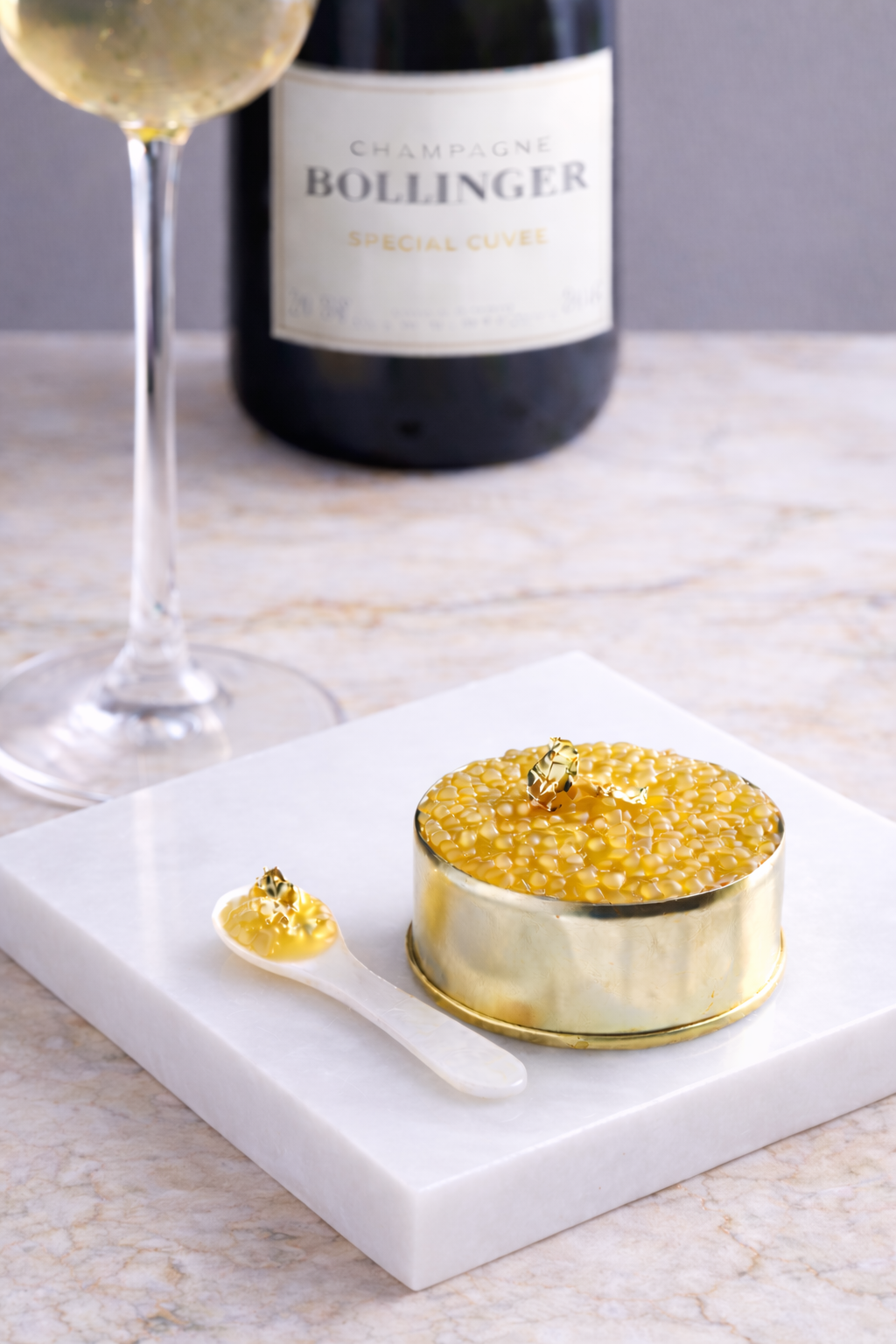
The global caviar industry is entering a new era.
Once defined by wild harvesting in the Caspian Sea, caviar is now almost entirely farmed - a shift driven by sustainability, regulation, and the need to protect endangered sturgeon species. In 2026, the conversation around caviar is no longer just about luxury - it’s about traceability, origin, and production standards.
For consumers searching “what is the best caviar?”, “where to buy caviar”, or “how caviar is produced”, understanding these industry changes is essential.
From Wild Caviar to Sustainable Farmed Caviar
The modern caviar industry was reshaped by regulations from CITES, which restricted the trade of wild sturgeon caviar to prevent extinction.
As a result, farmed caviar (aquaculture) has become the global standard.
Today’s leading producers carefully control:
water quality
feed and nutrition
maturation timelines (often 8 - 20+ years)
harvesting and grading processes
This level of control allows for consistent, high-quality caviar, often exceeding what was historically available from wild sources.
For buyers, this means that the best caviar today is not wild - it is expertly farmed.
Traceability: The New Standard in Premium Caviar
One of the most important caviar industry trends is the shift toward full traceability.
High-end consumers and chefs are increasingly searching for:
“single origin caviar”
“direct from farm caviar”
“traceable caviar Australia”
Premium producers now pack caviar directly into final tins at the farm, ensuring:
authenticity of origin
consistent quality
minimal handling
full transparency from producer to consumer
Each tin typically includes species identification, production codes, and harvest details - similar to fine wine labeling.
In contrast, repacked or relabelled caviar is becoming less desirable, as it reduces transparency and can affect quality perception.
Global Caviar Production: A Growing Luxury Market
Global demand for caviar is steadily increasing, reflecting a broader shift toward premium food experiences and sustainable luxury.
Recent market research from Grand View Research indicates that:
The global caviar market was valued at approximately USD 480 - 485 million in 2025
It is projected to reach USD 700 + million by 2030
With consistent annual growth of around 7 - 8% CAGR
Longer-term forecasts suggest the market could approach USD 900 million to over USD 1 billion within the next decade, driven by expanding global consumption and evolving consumer preferences.
What’s Driving This Growth?
Several key factors are reshaping global caviar consumption:
Rising demand for luxury food experiences
Fine dining, private events, and experiential gastronomy continue to grow worldwideExpansion of farmed caviar production
Sustainable aquaculture has made high-quality caviar more accessible and consistentA new generation of consumers
Younger luxury audiences are increasingly engaging with caviar through tastings, travel, and social experiencesGrowth in Asia-Pacific markets
Now the largest regional market, accounting for over 30% of global revenue, with both production and consumption increasing rapidly
A Shift from Exclusivity to Accessibility
While caviar remains a premium product, its consumption is no longer limited to traditional fine dining.
Today, it is:
purchased online
served at private and corporate events
integrated into modern dining concepts
positioned as an accessible luxury rather than an untouchable indulgence
This evolution is not about lowering standards - but about broadening the audience while maintaining quality and integrity.
The Future of the Caviar Industry
The caviar industry is expected to continue growing globally, driven by:
increasing demand for luxury food experiences
expansion of aquaculture technologies
rising consumer education
stronger focus on sustainability
For those looking to buy premium caviar, understanding these trends is key to making informed choices.
Final Thought
Caviar remains one of the most time-intensive and precise foods in the world.
But in 2026, true luxury lies in something deeper: